
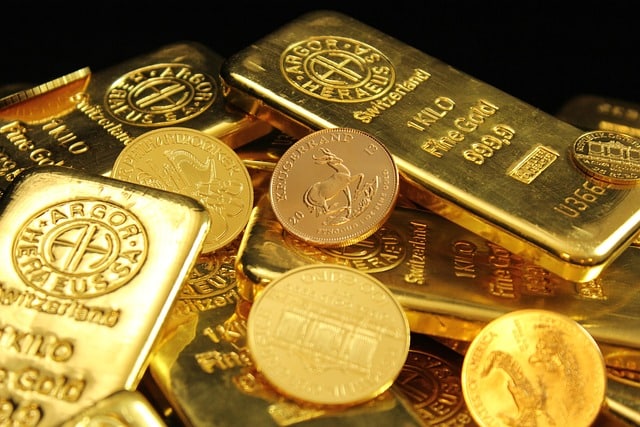
Strategic guide to diversify and safeguard your wealth in the global market
Precious metals, universal symbols of power and distinction, have transcended history as synonyms of luxury on the red carpet and excellence on the podium. Beyond their aesthetic value, their presence in everyday technology and their ability to protect wealth have cemented these metals as strategic assets in the world economy.
Importance of Precious Metals
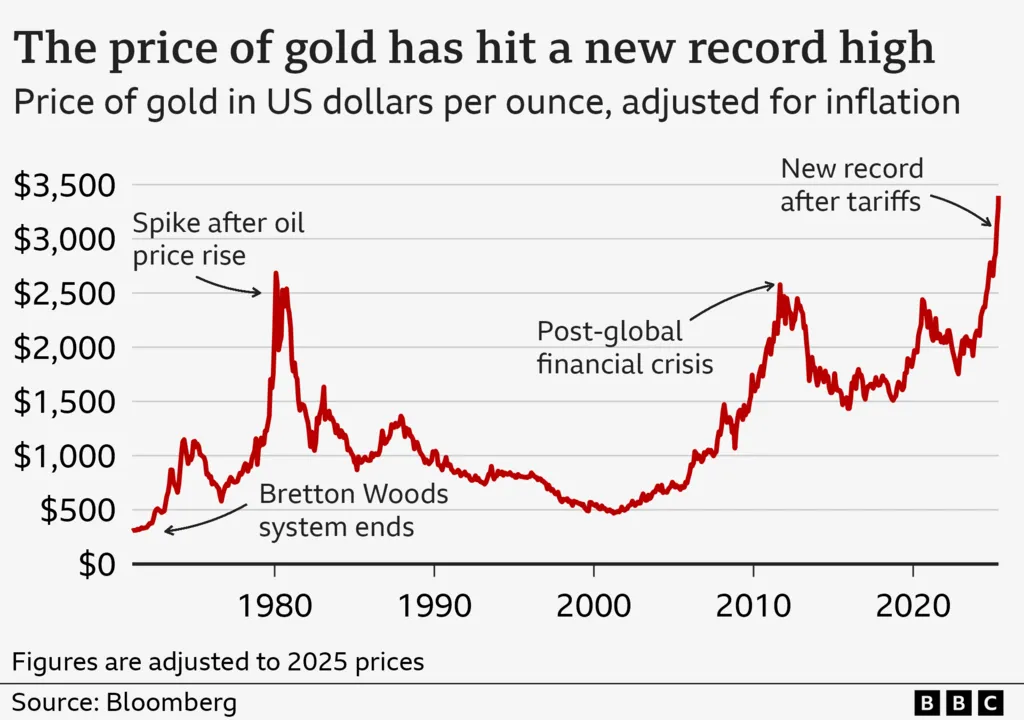
The world’s leading economies and institutional funds rely on precious metals, especially gold, as a safe haven against inflation and economic turbulence. Unlike currencies, which can depreciate, gold tends to hold its value over time and has served as a currency reserve for centuries. For investors, including precious metals in their portfolios is a masterstroke for diversification and financial stability.
What are Precious Metals?
This select group of elements is distinguished by their rarity and high value. Although gold, silver, and platinum dominate the market, there are five lesser-known metals—palladium, rhodium, ruthenium, iridium, and osmium—that also belong to this exclusive family. In the investment world, the focus is on the first three due to their high liquidity and security.
Reasons to Invest
The main incentive for choosing gold, silver, or platinum is to enhance diversification, since these assets are not directly correlated with the stock or bond markets. Historically, they have shown resilience during financial crises. A clear example is gold, whose purchasing power has remained stable for decades, allowing people to buy goods like cars across different eras.
Modalities of Investment
- Physical purchase: Acquiring bullion or coins commemorates a tangible investment, though it requires considering storage and security costs, factors that may impact returns.
- Futures contracts: These allow investors to speculate on price movements without actually owning the metal, involving a commitment to buy or sell at a set date—ideal for experienced investors.
- ETFs and ETRs: Exchange-traded funds and receipts provide direct exposure to the metal’s price, backed by physical reserves, though they are subject to management fees. Electronic certificates, meanwhile, offer virtual ownership.
- Mining stocks and royalty companies: Investing in extraction companies provides indirect exposure, though it also adds risks associated with corporate performance and its correlation with the stock market.
Applications and Value Factors
- Gold: A leading player in jewelry, bullion, dentistry, and electronics, gold’s price is determined by investment demand and economic events.
- Silver: In addition to its use in luxury items, silver is crucial in industries such as solar, batteries, and electronics. Its value responds both to investment and industrial demand.
- Platinum: Essential in medical devices, automotive technology, and electronics due to its hardness, platinum prices are often influenced by political factors in producing countries.
Custody and Holding
National governments hold the largest reserves of gold and silver, using these assets to strengthen their currencies. Notable vaults such as Fort Knox and the Federal Reserve Bank of New York house thousands of tons of gold for international accounts. Of all refined gold, about 20% is privately held, mainly secured by financial institutions or stored in homes and safe deposit boxes, and even worn as jewelry.
Market Liquidity
Gold stands out as one of the most liquid assets, with daily trading volumes reaching billions of dollars. For individual investors, physical trading is less agile than on the stock market, but more flexible than real estate, though subject to commissions that can reach 5% of the transaction amount. The breadth and depth of the gold market position it above silver—which is more volatile—and platinum, whose market is smaller and therefore less liquid.
Which Metal to Choose?
For modest portfolios, gold is the most recommended option due to its liquidity, market volume, and the variety of available instruments. Silver and platinum can add additional value, but rare metals seldom generate outstanding returns on their own. For this reason, most experienced investors limit their exposure to this sector to a maximum of 5% of their wealth, ensuring that precious metals add protection and diversification without sacrificing the overall growth of the portfolio.
References
If you are interested in learning more about Investment Banking services and corporate finance consulting, we can assist you. Contact us at info@avacum.com and we will answer all your questions related to venture capital. If you are an entrepreneur, you might also be interested in learning about other forms and sources of private financing for startups.
Interesting pages. https://www.investing.com/ https://www.nyse.com/index | https://hbr.org/ | SEC | Harvard Business Review | Bloomberg.com | https://www.business.qld.gov.au/running-business/risk/identify-manage
Finanzas corporativas en línea: https://avacum.com | Corporate finance advisory https://pdv-a.com Para una mayor información: Info@pdv-a.com
Sobre cursos de finanzas y contenidos: info@akademiun.com | https://akademiun.com
Otra información relevante:
- Informes de consultoras como McKinsey, Bain & Company, y PwC sobre tendencias globales en M&A.
- Artículos académicos y estudios de casos publicados en revistas como Harvard Business Reviewy Journal of Finance.
- Artículos académicos y estudios: PDVa,
- Banco de inversioón en línea: Avacum
- Curso de finanzas en línea: Vosverum.
- Base de datos e información: Investing, Bloomberg, OCDE, International Monetary Fund,




 English
  Spanish


Leave A Comment